Skip to main contentWebsite Accessibility Assistance
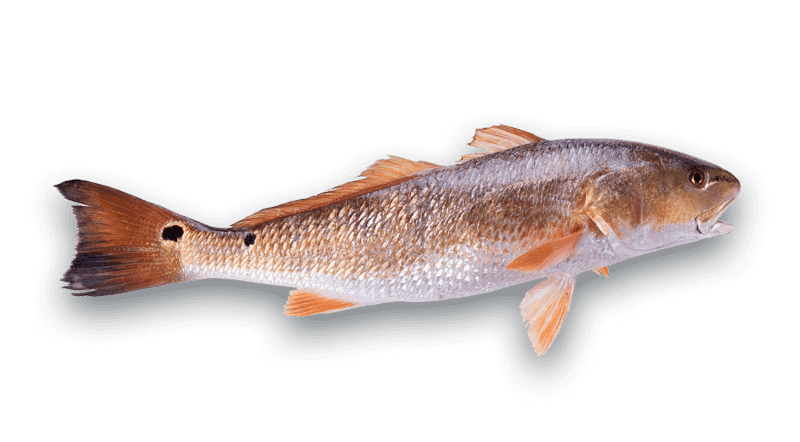
Redfish
Redfish

Avg. Weight: 5–90 lb

Food Quality: Superb

Redfish (Red Drum) inhabit shallow waters. You can usually find them in shallow bays in water that can be inches deep. Of course, they also enter deeper channels as well. They are common in saltwater grass flats. There they hunt after small baitfish and crustaceans. Smaller Redfish less than 24 inches will be the best tasting. They will have a mild flavor with a semi flaky texture.

Learn more
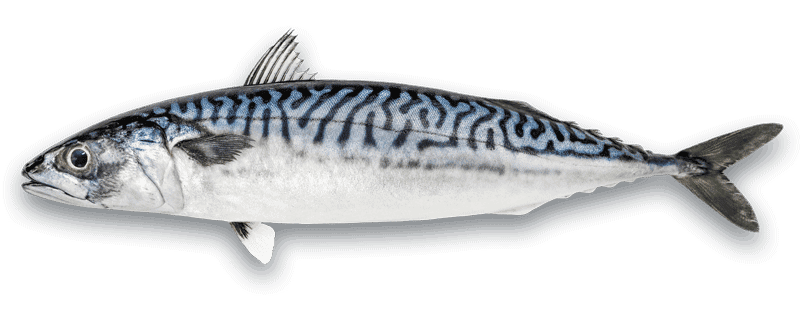
Mackerel
Mackerel

Avg. Weight: Spanish 2-4 lb & King 5-60 lb

Food Quality: Good

Florida is home to (3) types of mackerel: King, Spanish, Cero. King mackerel, also called kingfish, are the largest of the three. Spanish mackerel are a popular Florida fish with anglers seeking a quick and tasty dinner to cap off their trip. Cero mackerel occur exclusively in the southern part of the state, most commonly in the Florida Keys.

Learn more
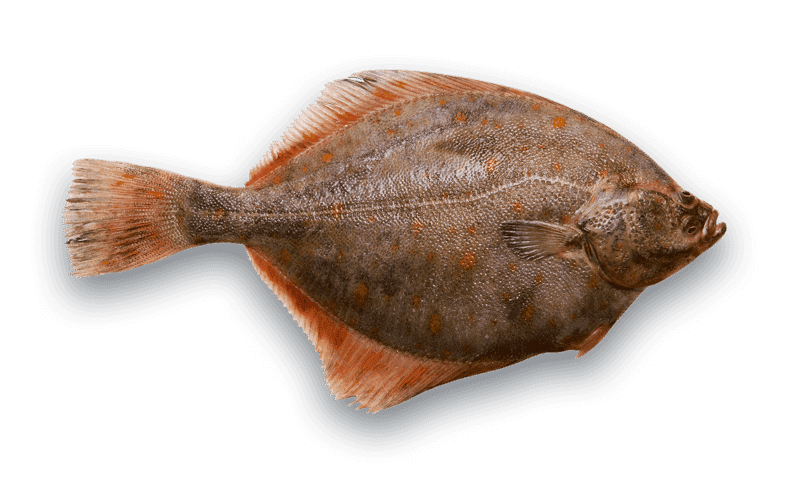
Flounder
Flounder

Avg. Weight: 2–20 lb

Food Quality: Superb

Gulf flounder are known as left-eye flounders. The left or "up" side of the southern and Gulf flounders is light olive brown to dark brown or nearly black, with many blotches and spots of darker and lighter color. The eyeless "down" size side is white or dusky. Gulf flounders are distinguished by three large dark eye-like spots, arranged in a triangle with a pair of spots about midway on the length of the fish and a third closer to the tail.

Learn more
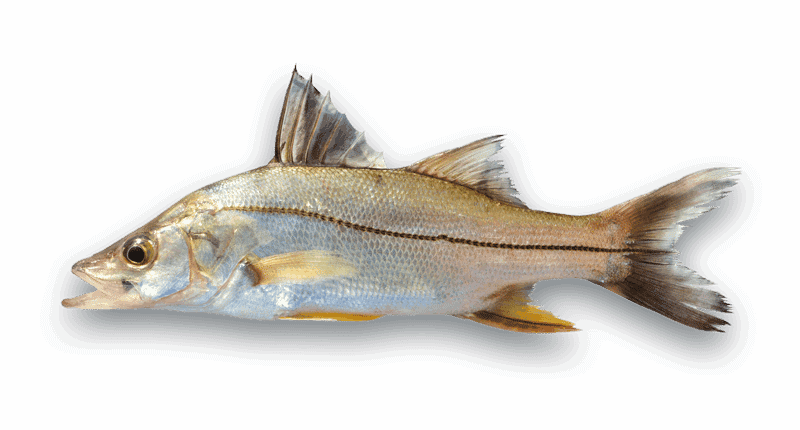
Snook
Snook

Avg. Weight: 5–50 lb

Food Quality: Superb

Snook are a highly prized game fish due to its aggressive fighting ability and delicious white flesh. Snook can grow as large as 44 pounds and feed on small fish, shrimp, and an occasional crab. Snook have a distinct black lateral line and beautiful, yellow-colored fins. Snook are excellent eating and fun to catch but do have strict catch limits and closures.

Learn more
Florida Pompano
Florida Pompano

Avg. Weight: 1-8 lb

Food Quality: Superb

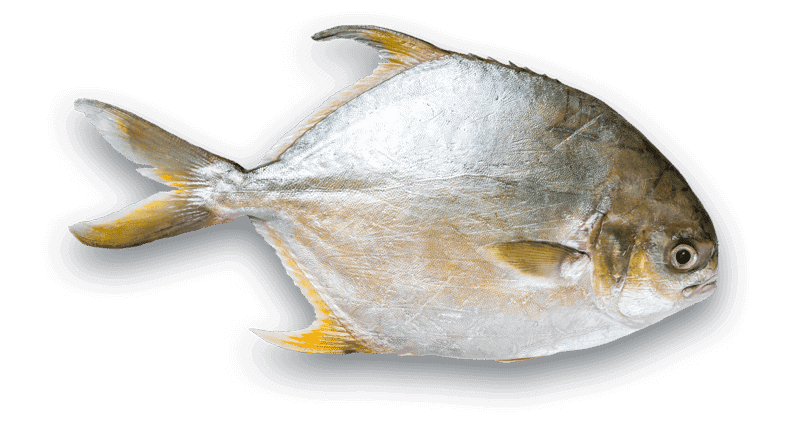
Florida Pompano is a member of the jack family and a highly prized recreational fish. Pompano is a great tasting fish with a sweet mild flavor and flaky texture. Although technically a round fish, the narrow-bodied Pompano is structured like a flatfish and generally weighs less than 3 pounds.

Learn more
Sheepshead
Sheepshead

Avg. Weight: 2–20 lb

Food Quality: Excellent

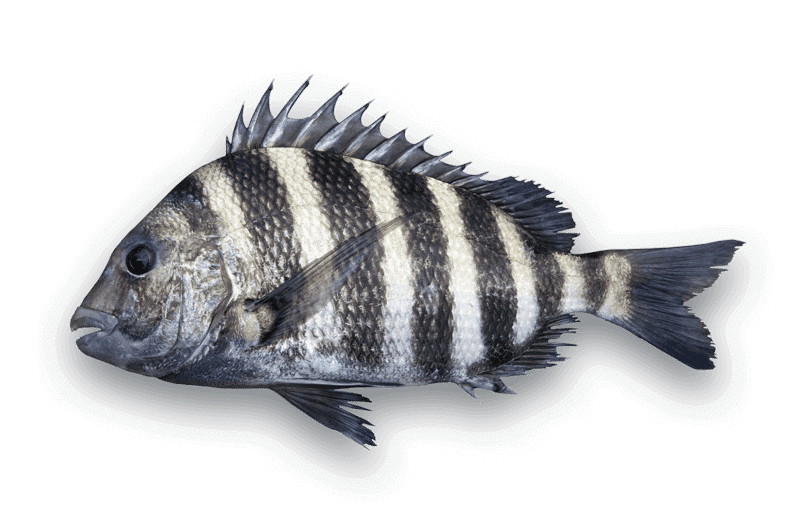
Sheepshead fish are a common North American marine species that span from Cape Cod and Massachusetts through to Florida and the Gulf of Mexico to Brazil. Preferring coastal habitats around rock pilings, jetties, mangroves, reefs and piers, they can grow up to around 91 cm in length and weigh up to 9.6 kg. They have five to seven distinctive black, vertical bars running down their silvery bodies, which is why the sheepshead is also called the convict fish.

Learn more
Permit
Permit

Avg. Weight: 2-50 lb

Food Quality: Poor

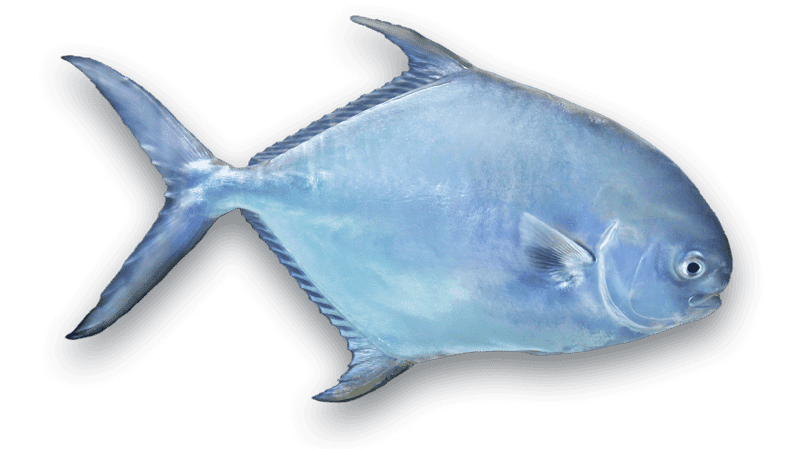
Permit is one of the prized gamefish in Florida. It has a strikingly similar look to the Florida Pompano. Permit can grow to more than double the length of a pompano and several times its weight. Permit can easily exceed 3 feet in length and weigh 15-20 pounds.

Learn more
Tarpon
Tarpon

Avg. Weight: 10–100 lb

Food Quality: Catch & Release

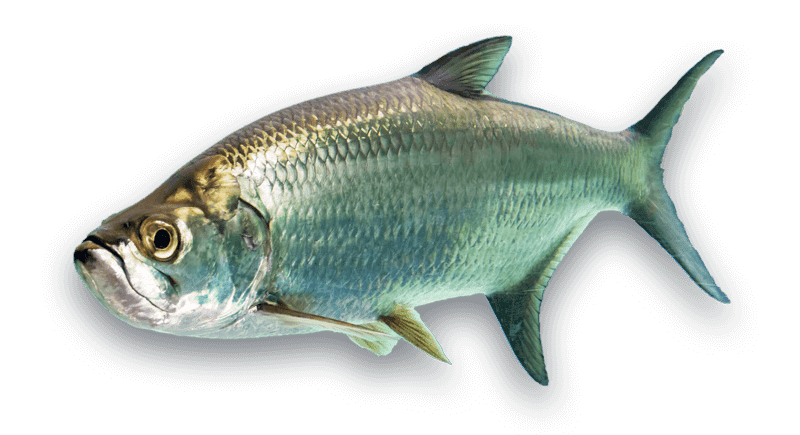
Tarpon are powerful, explosive, and acrobatic fighters. Tarpon also have great stamina, making them one of Florida’s most challenging and exciting nearshore sportfish. Tarpon are toothless and they swallow their prey whole.

Learn more
Spotted Seatrout
Spotted Seatrout

Avg. Weight: 5–20 lb

Food Quality: Superb

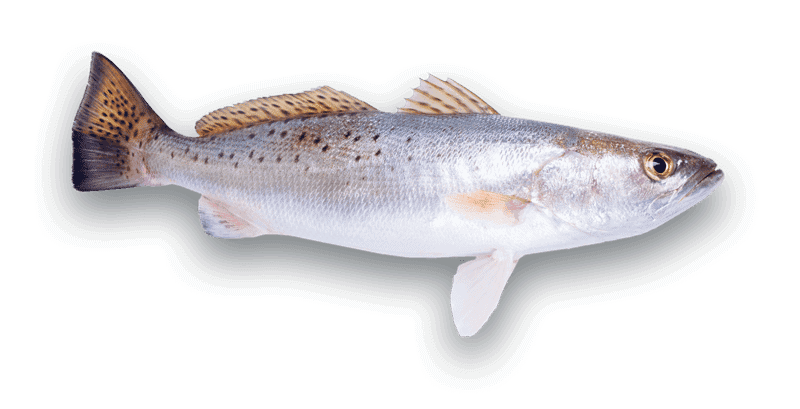
Spotted seatrout are also known as speckled trout. Their back is dark gray or green, fading to a silvery or white belly. Spotted seatrout males average 19 inches (48 cm) in length. Females are 25 inches (63 cm) long on average. Males and females weigh 2 to 3 pounds (1 to 1.3 kg).

Learn more
Snapper
Snapper

Avg. Weight: 1-6 lb

Food Quality: Superb

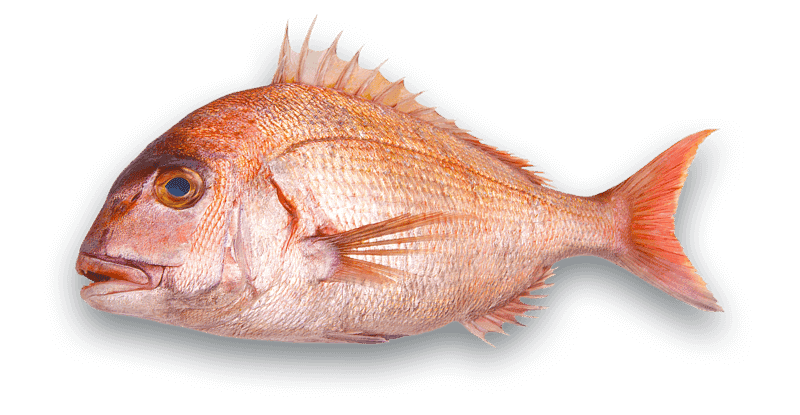
If you had to name one fish that summed up fishing in Florida, it would be Snapper. They’re the poster children of the Sunshine State’s charter scene. Typical snappers include mangrove, lane, red, yellow tail, mutton, vermilion, and queen.

Learn more

Bottlenose Dolphin

Most common dolphin in the Florida Gulf is the bottle-nosed dolphin. Bottlenose dolphins have robust, powerful bodies that are blue-gray on top with lighter sides and bellies. As adults they are typically 6 to 12 feet long, and can eat more than 20 pounds of fish a day. Dolphins have been known to live into their 50's and reach weights of up to 400–600 lbs.

Stone Crab

Stone Crab

Florida Stone Crabs are absolutely delicious! Stone Crabs are brownish red with a tan underside, legs can be large with black tips and can weigh between 10–100 lbs. They feed on oysters and other small mollusks and are usually found in 6-inch to 3-foot deep holes near dock pilings. Fishermen take only the claws of stone crabs and return the live crab back to regenerate their claws the next time they molt. Harvest season is typically October 15th – May 1st. Did we mention how delicious they are?!

Shark

Sharks

Florida has one of the largest concentration of sharks in the world. There are sharks present year-round which makes Florida one of the ideal places to dive with sharks in the world. Typical sharks are Tiger, Great Hammerhead, Bull, Sandbar, Black Tip, Mako and Bonnethead.

Uninvited Guest

The scourge of the Gulf of Mexico, the lionfish are such a menace, destroying the delicate balance of the underwater ecosystem.

What makes lionfish so dangerous is that they reproduce like crazy, and they have no predators. If the lion is the king of the jungle, the lionfish is the aquatic version.

When you see a lot of lionfish, you don't see anything else. Lionfish are not poisonous but are venomous; they're a flaky white fish that people enjoy eating – but beware of their spines. One sting and your hand will swell up to three times its size.

Lionfish can reproduce by age one. That's a remarkably young age of sexual maturity. Other reef fish don't reproduce until five to eight years. They spawn every four days, and an average female can spawn more than 3 million eggs a year.

Check out this video about hunting & eating the lionfish

Opens in a new windowOpens an external siteOpens an external site in a new window